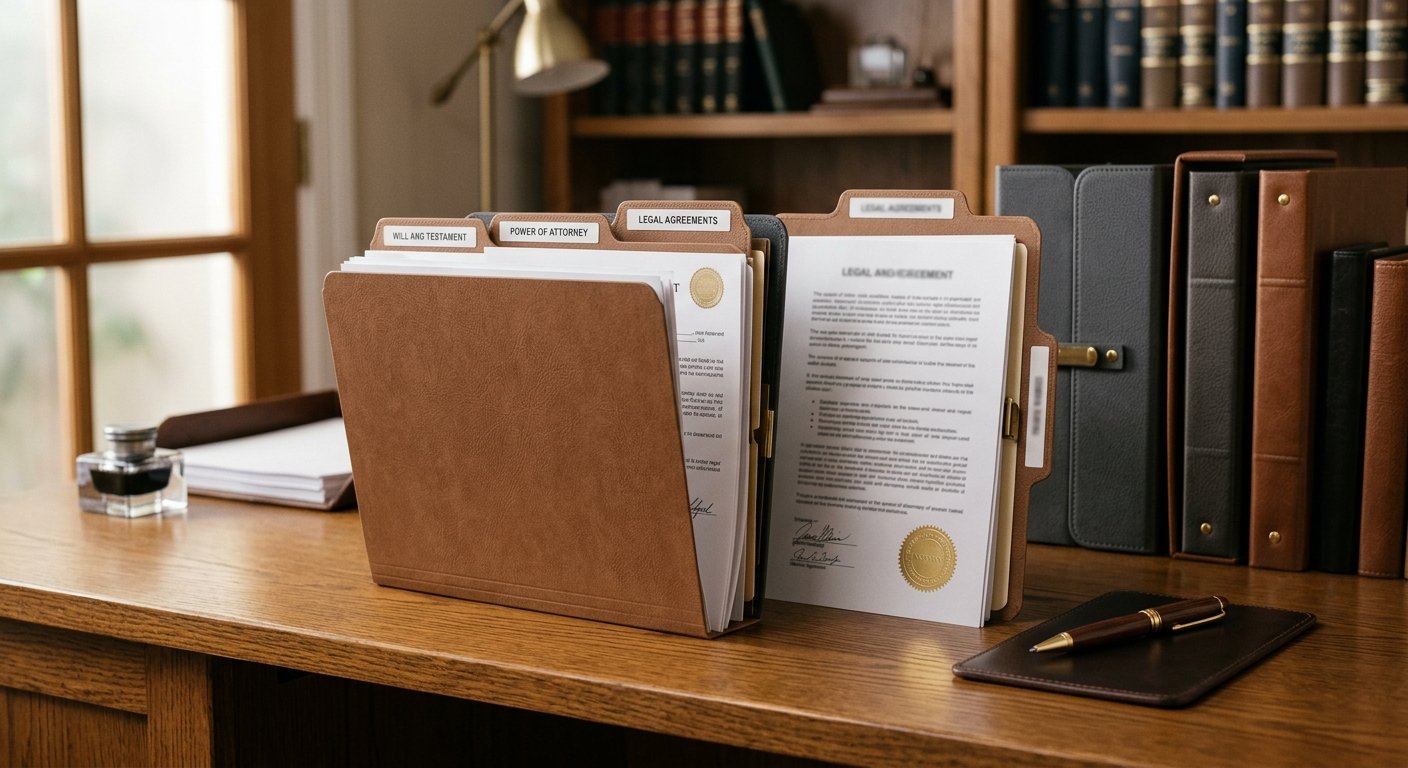
Emergencies rarely arrive with a warning. Illness, accidents, travel problems, or family disputes become harder when records are missing or outdated. An essential legal documents checklist helps you protect access, prove ownership, and make lawyer services faster if professional help is needed later.
1. Why document readiness is practical legal protection
People often think legal planning is only for the wealthy or elderly. In reality, every adult benefits from organized identity, financial, healthcare, and estate records. Good files reduce panic, prevent disputes, and help trusted people act quickly if you cannot.
2. Identity and core personal records
Keep secure copies of identification, birth records, marriage or divorce papers, military records, and citizenship or immigration documents where applicable. Store originals safely and maintain protected digital backups. Update names and addresses after major life changes.
3. Financial and property documents
Organize deeds, vehicle titles, mortgage statements, insurance policies, bank and investment summaries, tax returns, loan agreements, and business ownership records. Review beneficiary designations after marriage, divorce, births, or deaths. These non-probate forms often matter as much as a will.
4. Healthcare and incapacity planning
A healthcare directive and financial power of attorney can prevent confusion if you cannot make decisions. Choose agents who are trustworthy and available. Tell them where documents are stored and what values should guide medical or financial choices.
5. Estate planning basics for most adults
At minimum, many adults need a will, updated beneficiaries, and guardianship nominations for minor children. Some households also need trusts. Estate planning lawyer services are especially useful for blended families, business owners, or assets in multiple places.
6. Family and dependent care documents
If you have children or dependents, organize custody orders, school records authorization, medical consent forms, and caregiver instructions. Clear paperwork helps temporary caregivers act without delay during travel or medical emergencies.
7. Digital assets are part of your legal life
List critical accounts, domain names, cloud storage, crypto wallets if any, and password manager access instructions in a secure way. Digital assets are easy to overlook and hard for families to recover without planning.
8. How often to review your file
Review documents after marriage, divorce, births, deaths, home purchases, business formation, or major moves. A yearly thirty-minute audit prevents outdated names and expired instructions from causing conflict later.
9. When to involve a lawyer
Use lawyer services when creating wills, powers of attorney, business agreements, or complex beneficiary structures. Templates can help with organization, but formal validity and document coordination still benefit from professional review.
10. A starter checklist you can complete this month
Gather identity papers. List financial accounts and beneficiaries. Create or update will and powers of attorney. Store documents securely. Tell one trusted person how to find them. Schedule a legal review if your family or finances are complex. Small steps now prevent large problems later.
11. Home, insurance, and liability records
Keep homeowners or renters insurance, auto policies, umbrella coverage, warranties, and major service contracts together. After a loss, people waste days hunting for policy numbers. Also store photos of valuable property and home condition. These records support insurance claims and can matter in liability disputes.
12. Business-owner add-ons to the checklist
If you own a company, add formation documents, operating agreements, cap tables, major contracts, licenses, and tax elections to your file. Personal and business paperwork often interact in estate and liability planning. Business-focused lawyer services can help ensure ownership documents and personal estate plans do not contradict each other.
13. How to store documents securely and accessibly
Use a fire-resistant location for critical originals and encrypted digital backups for copies. Do not put all access information in one obvious notebook. Tell at least one trusted person how to find the file in an emergency. A perfect plan that nobody can locate is not a working plan.
14. Sharing access without losing control
Powers of attorney and shared account access are powerful tools and potential risks. Grant authority only to people you trust, limit powers when appropriate, and review designations after relationship changes. If a relationship ends, update legal and financial access quickly. Document control is part of personal security.
15. A 30-day organization plan
Week 1: gather identity and insurance papers. Week 2: list financial accounts and beneficiaries. Week 3: create or update will and incapacity documents. Week 4: store everything and brief your trusted contact. This paced approach is more realistic than trying to finish every legal task in one weekend.
16. Sharing copies with advisors without creating chaos
Accountants, insurance agents, and lawyers may each need different documents. Share only what is necessary, track who received what, and update them when major changes occur. Version control matters: an advisor working from an old will or outdated beneficiary list can give bad guidance. Keep a simple master index so every professional is looking at the current file. Coordinated lawyer services work best when your records are consistent across advisors.
17. Final readiness test
Ask yourself three questions. If I were hospitalized tonight, could someone find my healthcare directive? If I died this year, would beneficiaries and guardians be clear? If a dispute started tomorrow, could I prove ownership and identity quickly? If any answer is no, fix that gap first. An essential legal documents checklist is not paperwork for its own sake; it is a practical system for protecting people you care about.