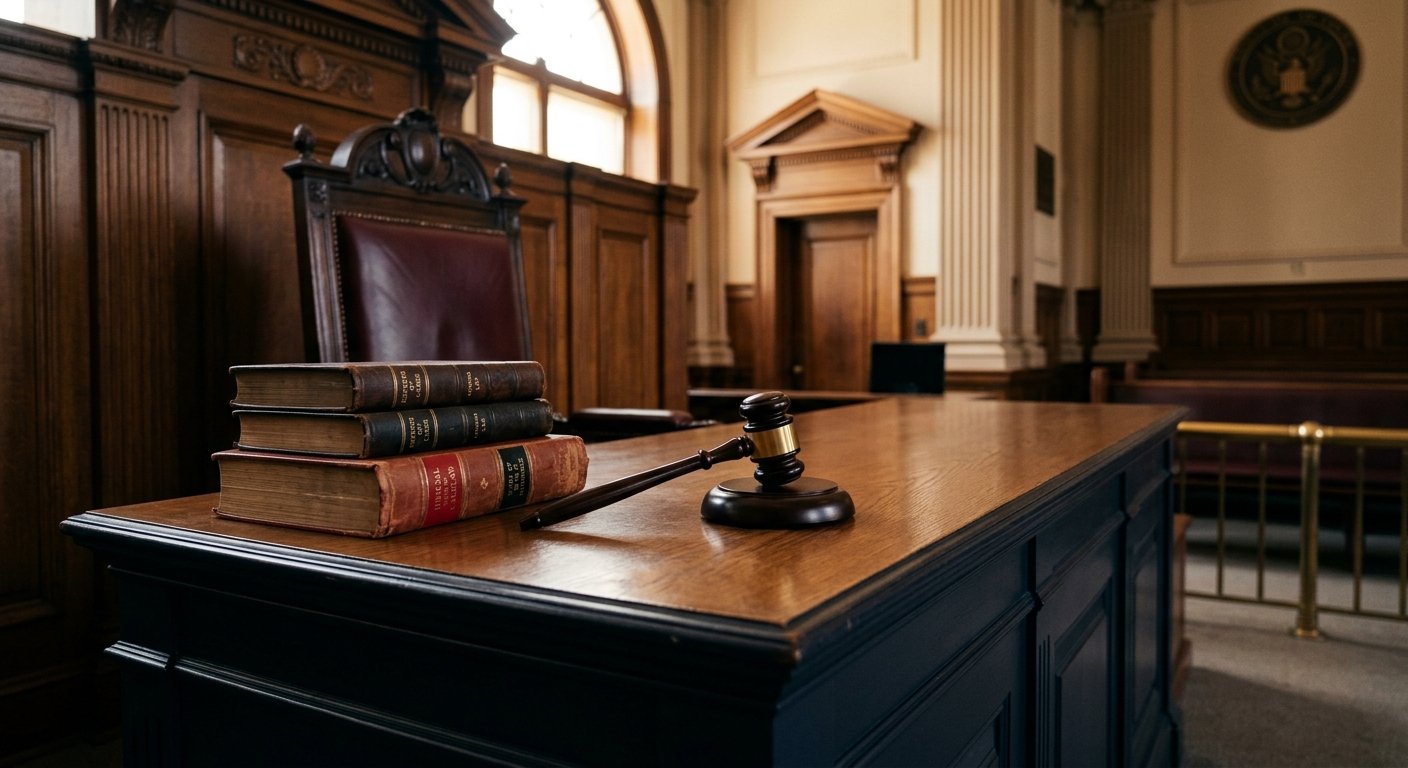
Court can feel intimidating even in ordinary civil matters. Preparation will not eliminate stress, but it improves clarity, credibility, and control. Whether you have full representation or are considering limited lawyer services, a practical checklist helps you arrive organized and focused.
1. Start by understanding the purpose of the hearing
Not every court date is a full trial. Some hearings address temporary orders, scheduling, motions, or status updates. Read the notice carefully and ask your lawyer what decisions are possible that day. Wrong expectations create panic and poor decisions.
2. Build a simple document system
Use labeled folders for pleadings, evidence, orders, and notes. Bring extra copies of key exhibits. Courts move quickly, and people who can find documents instantly appear more reliable. Digital files help, but printed backups are still valuable in many courthouses.
3. Create a one-page case timeline
Judges and lawyers process facts faster when they are chronological. List major events, dates, and why each event matters. A clean timeline also helps you testify more consistently if you are asked questions about what happened and when.
4. Testimony basics that protect credibility
Tell the truth. Answer only the question asked. Pause before responding. If you do not understand, say so. Avoid arguing with the other side in open court. Calm, factual answers are usually more persuasive than emotional speeches.
5. Logistics people underestimate
Confirm the courthouse address, courtroom number, parking, security wait times, and remote-appearance rules. Arrive early. Silence your phone. Bring a pen, water, and all required identification. Missing a calendar call because of logistics can damage your position.
6. How lawyer services help before the hearing
Counsel can narrow issues, prepare direct points, anticipate opposing arguments, and advise whether settlement talks make sense. Even a limited preparation session can improve outcomes when full representation is not possible. Ask for a clear plan for the first five minutes in court.
7. Courtroom conduct checklist
Dress neatly, address the judge respectfully, stand when required, and follow instructions from court staff. Do not interrupt. Do not discuss the case loudly in hallways. Professional behavior supports your credibility as much as documents do.
8. Settlement conversations on the hearing day
Many cases resolve in hallway negotiations. Know your priorities, walk-away points, and non-negotiables before you arrive. If you have a lawyer, let counsel lead the discussion. Do not agree to terms you do not understand just to end the stress of the day.
9. After the hearing: lock in next steps
Write down the outcome, deadlines, and next dates before leaving the building. Ask counsel to confirm orders in writing. Calendar every follow-up task the same day. Many cases are damaged not by the main legal issue, but by missed procedural steps afterward.
10. A compact pre-court checklist
Read the notice. Confirm hearing purpose. Organize exhibits. Prepare a timeline. Review possible questions. Plan travel and arrival time. Discuss settlement ranges. Bring copies and notes. Follow up the same day. Preparation turns a stressful event into a manageable process.
11. Exhibits, objections, and knowing your documents
If your hearing involves exhibits, know what each document proves in one sentence. Do not bring a stack of papers you have never reviewed. If you have a lawyer, ask which exhibits are likely to be used and which weak documents should stay out. Preparation is not about volume; it is about relevance and clarity.
12. Managing nerves without damaging your case
Anxiety is normal. Channel it into preparation rather than last-minute arguments on social media or angry texts to the other side. Sleep, eat, and arrive early enough to settle. If you need a moment to compose yourself before speaking, ask for it politely. Courts generally respect parties who remain composed under pressure.
13. Remote hearings require their own checklist
Video or phone hearings still demand preparation. Test your internet, camera, microphone, lighting, and background. Use a quiet room, keep documents within reach, and dress as you would in person. Know how to identify yourself and how exhibits will be shared. Technical chaos can undermine an otherwise strong presentation.
14. Working with your lawyer on hearing day roles
Decide in advance who speaks about which topics. Clients sometimes hurt their case by volunteering extra facts at the wrong moment. Agree on signals, note-passing methods, and whether settlement authority has limits. Clear roles make lawyer services more effective when the courtroom moves quickly.
15. Common hearing-day mistakes to avoid
Arriving late, interrupting the judge, arguing with the other party, relying on memory instead of documents, and agreeing to terms you do not understand are frequent errors. Bring a pen and write orders as they are stated. If anything is unclear, ask for clarification before you leave the courtroom or virtual session.