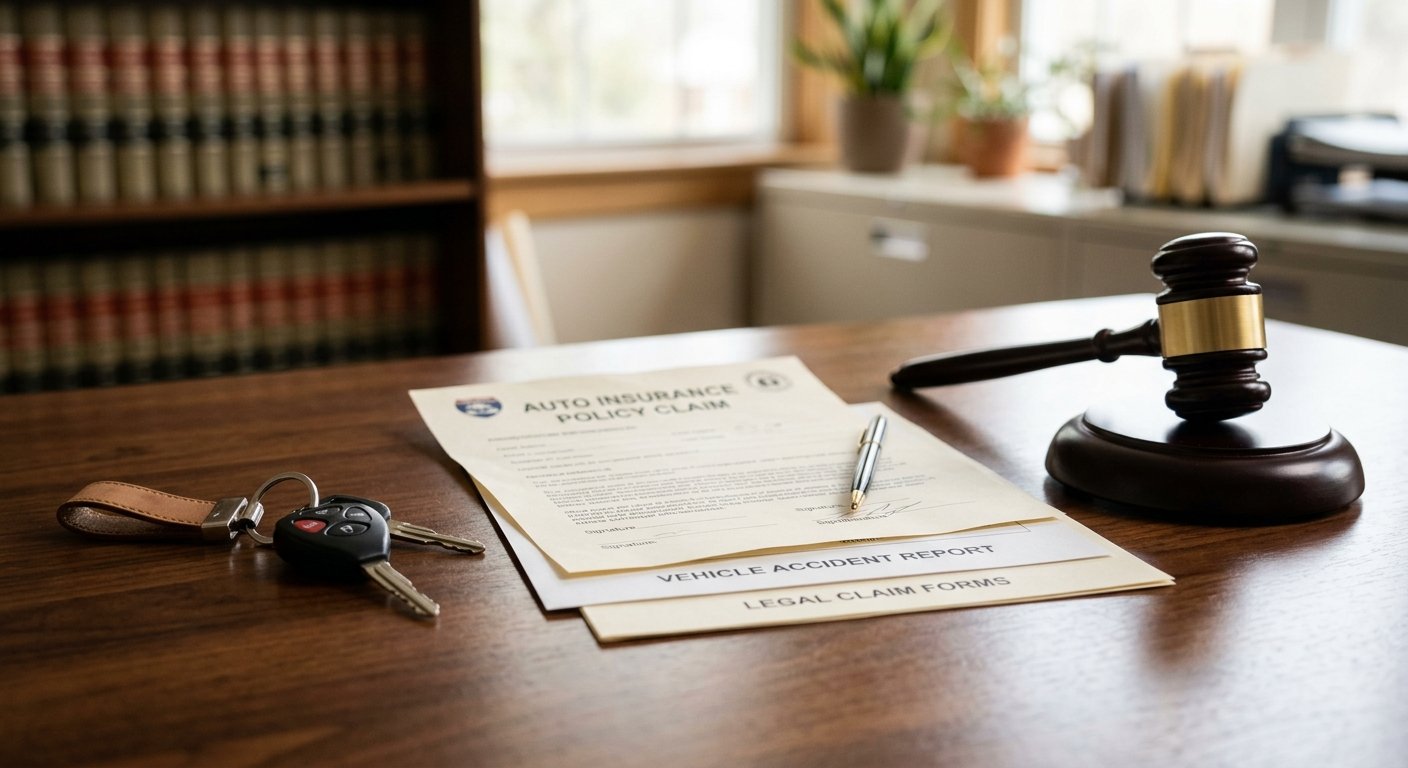
After a crash, medical care and vehicle repairs can consume all your attention. At the same time, insurance calls and liability questions begin almost immediately. A car accident lawyer can protect evidence, manage communications, and pursue a fuller damages picture when injuries are serious or fault is disputed. This guide explains when lawyer services are worth using and how to prepare a stronger claim.
1. When hiring a car accident lawyer makes sense
Not every minor bumper tap needs counsel. Lawyer services become especially valuable when there are significant injuries, disputed fault, commercial vehicles, uninsured or underinsured drivers, multiple parties, or insurer delay. Early advice also matters if treatment will continue for weeks, because settlement timing and medical documentation shape claim value.
2. Immediate steps that protect both health and legal options
Seek medical evaluation promptly, call police when appropriate, photograph vehicles and the scene, collect witness information, and report the crash as required by your insurer. Avoid detailed recorded statements before you understand your rights. Keep all bills, prescriptions, work-absence notes, and repair estimates in one place from day one.
3. How auto injury claims usually progress
Most claims move through investigation, ongoing treatment, documentation of losses, demand negotiation, and possibly litigation if settlement fails. Insurers examine liability, policy limits, medical consistency, pre-existing conditions, and claimed damages. A clean factual record is one of the strongest non-legal advantages an injured person can create.
4. Evidence that strengthens a crash case
Helpful proof includes police reports, photos, dashcam or surveillance video, medical records, wage statements, repair estimates, and witness accounts. A simple symptom journal can support pain levels and activity limits. Be careful with social media; posts that appear inconsistent with claimed injuries are often reviewed by insurers and defense counsel.
5. What a car accident lawyer actually does
Counsel can handle insurer communications, identify all available coverage, preserve evidence, calculate damages more completely, and protect filing deadlines. Strong lawyer services also prepare clients for medical liens, settlement timing, and the decision of whether litigation improves leverage. The lawyer’s role is process management as much as courtroom advocacy.
6. Fee structures in accident cases
Many car accident lawyers work on contingency, meaning fees are typically paid from a recovery rather than monthly invoices. Ask about percentages at different stages, case costs, and what happens if the claim fails. Transparent economics make it easier to compare firms and understand net recovery after fees and expenses.
7. Common mistakes that reduce claim value
Skipping follow-up care, accepting a quick low offer, giving broad early statements, failing to track expenses, and missing notice or filing deadlines all reduce leverage. These mistakes are common because injured people are overwhelmed. A structured plan prevents avoidable losses while you focus on recovery.
8. Special situations that raise complexity
Rideshare crashes, trucking collisions, hit-and-run cases, out-of-state accidents, and claims involving employer vehicles can involve multiple insurers and legal theories. These situations often justify earlier lawyer services because coverage mapping and evidence preservation are more complex.
9. Questions to ask in a consultation
How often do you handle cases like mine? What is your initial view of liability and damages? Which evidence should we secure this week? Who manages updates? What timeline is realistic for negotiation or filing suit? Clear answers help you choose the right car accident lawyer services for your facts.
10. Key preparation checklist after a crash
Get medical care. Document the scene. Track all expenses. Follow treatment plans. Limit detailed insurer statements. Calendar deadlines. Consult counsel if injuries or liability issues are serious. Early organization preserves options that are hard to rebuild later.
11. Insurance adjusters and early settlement pressure
Insurers often move quickly after a crash because early settlements can close claims before the full medical picture is known. An adjuster may sound friendly while still protecting the company’s financial interest. You can be courteous without giving recorded statements or accepting the first offer. If injuries are still evolving, a fast check can undervalue future care, missed work, and long-term limits. This is one reason many people use car accident lawyer services before negotiating seriously.
12. Medical documentation that supports damages
Courts and insurers look for consistency between symptoms, diagnosis, treatment, and claimed limitations. Attend follow-up visits, complete referred therapy when appropriate, and keep a simple log of pain, mobility, sleep issues, and missed activities. Gaps in care are frequently used to argue that injuries were minor. Your health comes first, but complete records also protect the legal side of recovery.
13. Uninsured and underinsured motorist issues
If the at-fault driver has little or no coverage, your own uninsured or underinsured motorist protection may become central. These claims still require proof of fault and damages, and they can involve notice requirements in your own policy. A lawyer can help identify every available coverage source, including household policies or commercial policies connected to the vehicle or driver.
14. When litigation becomes necessary
Most crash claims resolve without a full trial, but filing suit can be necessary when liability is denied, damages are minimized, or deadlines approach. Litigation does not always mean you will end up in front of a jury; it can also improve information exchange and settlement leverage. Ask counsel what would trigger a filing recommendation in your case and how costs would change at that stage.